News
Ukrainian Cities Explore Lithuanian Experience in Building Renovation and OSS Models
Lithuania – July 22–24, 2025. Representatives from the Ukrainian cities of Lviv, Mykolaiv, and Kryvyi Rih visited Lithuania to explore best practices in the modernization of multi-apartment buildings and the implementation of one-stop-shop (OSS) models for energy-efficient renovation. The visit was organized within the RenoWave project, supported by the European Union’s Interreg programme, and FELICITY II project implemented by Deutsche Gesellschaft für Internationale Zusammenarbeit (GIZ) GmbH in cooperation with the European Investment Bank and with the support of the German Government, under the framework of the International Climate Initiative (IKI).
Although Ukraine is currently facing enormous challenges due to the war, it has “inherited”, like Lithuania, a vast stock of Soviet-era apartment buildings, where most urban populations live. Representatives of the Ukrainian delegation emphasized that despite the ongoing war, these mostly Soviet-built apartment blocks also require urgent attention. Renovation is becoming particularly relevant not only for rebuilding destroyed structures but also for creating a sustainable and energy-efficient future for Ukraine.
With this in mind, the delegation was introduced to the work of Atnaujinkime miestą (“Let’s Renovate the City”), a municipal institution that coordinates renovation projects using a comprehensive OSS approach.
The organisation has already absorbed over €250 million in investments and supports residents throughout the entire renovation process.
“Our key success factors are strong support from the Vilnius City Municipality and a professional team that helps residents make renovation decisions and manage the entire process.” — Eglė Randytė, Head of Atnaujinkime miestą
The delegation visited renovated buildings in the Žirmūnai district and toured the Antakalnis outpatient clinic, gaining insights into both residential and public building upgrades. The visit also included a tour at the Vilnius Combined Heat and Power Plant, showcasing Lithuania’s circular economy approach to district heating.
The final day of the visit took place in Birštonas, a resort town that has become a national leader in apartment building modernization. Over 63% of the town’s multi-apartment buildings have already been renovated—one of the highest rates in Lithuania.
“We believe that the key to successful renovation lies in continuous dialogue with residents and a clear, transparent process.” — Edvardas Citvaras, Vice Mayor of Birštonas
The Ukrainian delegation learned about Birštonas’ pioneering district renovation approach and its local OSS model, which provides residents with technical, legal, and financial guidance.
Following the site visits, the Ukrainian delegation participated in a final workshop session in Vilnius, where they heard presentation from Valius Serbenta, a leading Lithuanian energy efficiency expert, an overview on the FELICITY II project and the current work of IWO e.V. in project target cities, i.e. Mykolaiv and Kryvyi Rih. The workshop provided space for reflection and exchange. Ukrainian participants shared their impressions, discussed the applicability of Lithuanian models in their own cities, and outlined next steps for adapting OSS approaches and integrated renovation strategies in Ukraine.
Despite the ongoing war, Ukrainian municipalities are actively working to develop modern, energy-efficient approaches to housing recovery. The Lithuanian experience offers valuable lessons in governance, financing, and community engagement. This study visit marks an important step in aligning Ukraine with European energy efficiency standards and developing new models for post-war housing reconstruction that prioritize sustainability, affordability, and resident participation.
“This study visit gave us a comprehensive view of how Lithuania has approached the challenge of modernizing its housing stock. From Vilnius’ city-wide renovation coordination to Birštonas’ impressive district renovation approach, we saw how strong municipal leadership, resident engagement, and clear procedures can lead to real results. The discussions helped us reflect on how these approaches could be adapted to Ukraine’s context — not just for rebuilding, but for building better.” — Serhii Korneev, Deputy-Mayor of Mykolaiv City Council
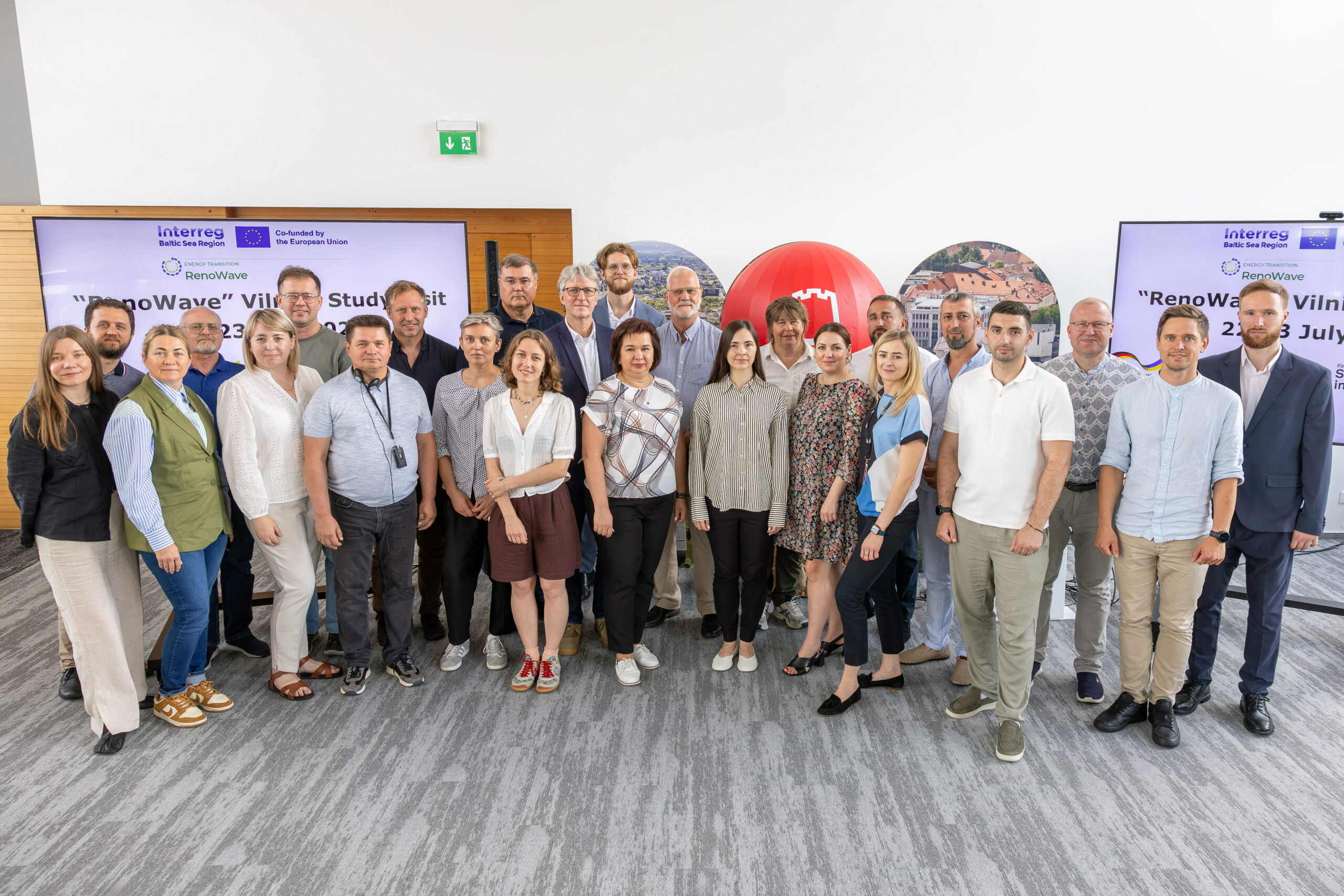
Photo: The study tour participants, Credits: Saulius Ziura
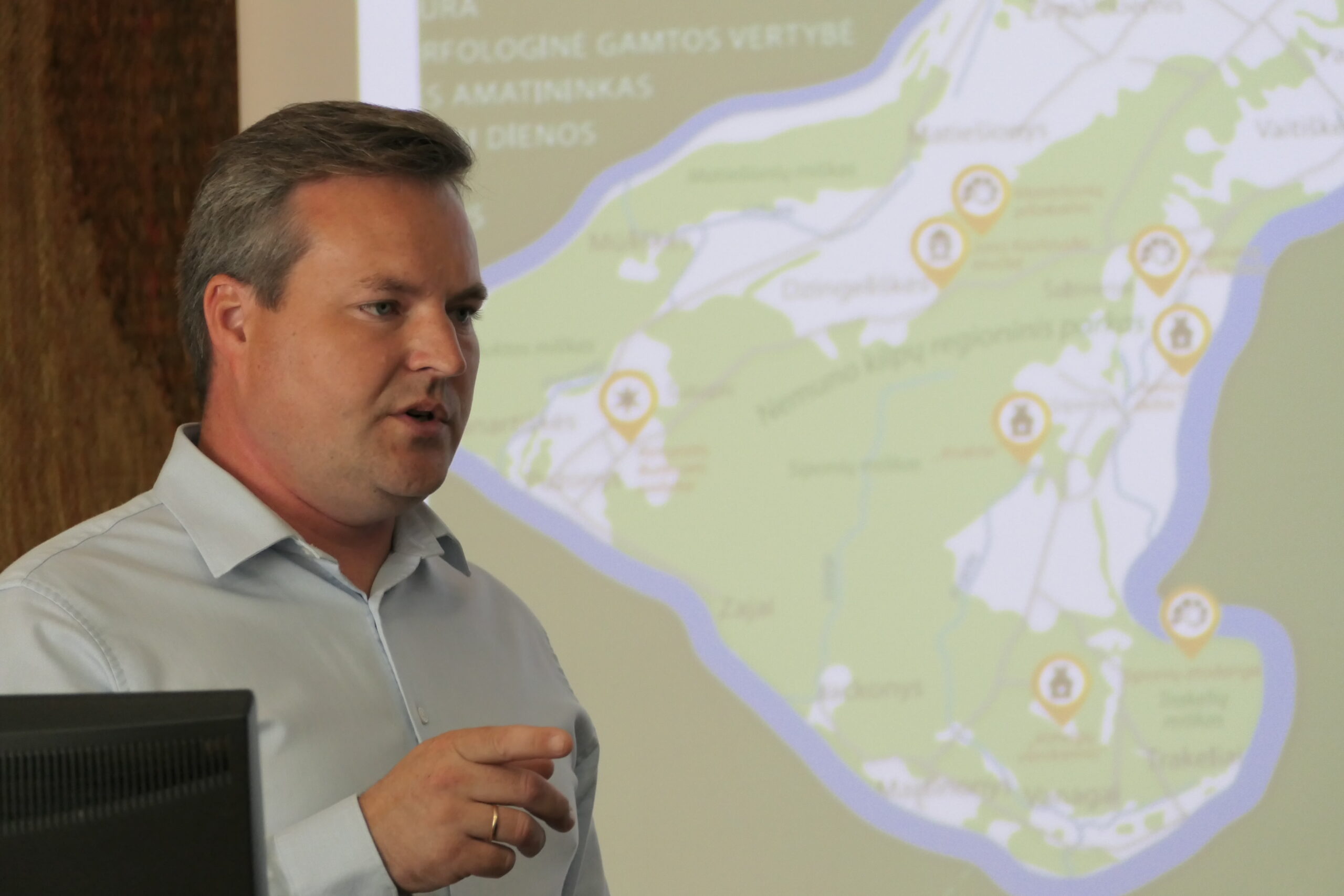
Photo: Edvardas Citvaras, Vice Mayor of Birštonas, Credits: Andrii Kirchev
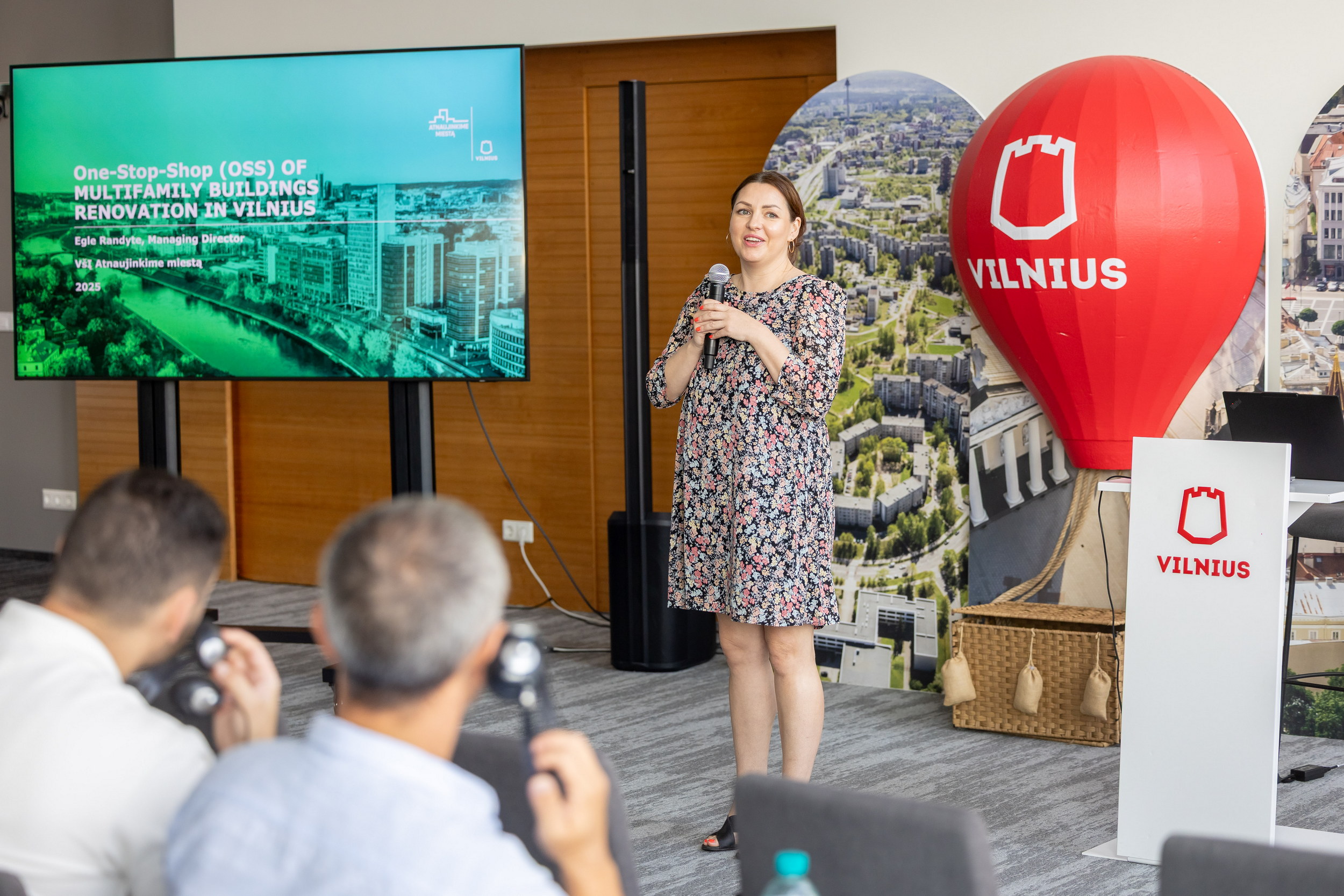
Photo: Eglė Randytė, Head of Atnaujinkime miestą, Credits: Saulius Ziura
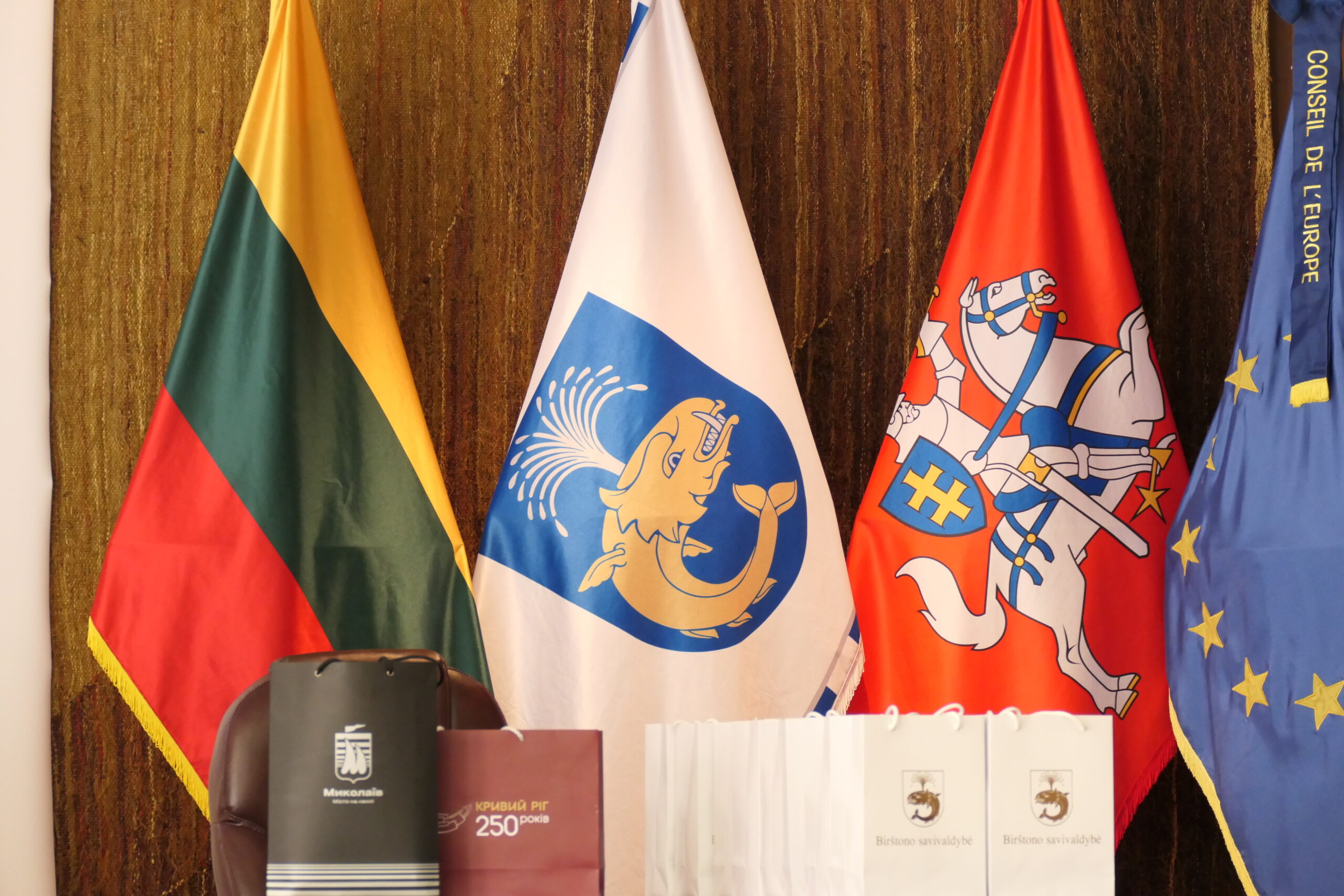
Photo: Flags of Lithuania and Birstonas, Credits: Andrii Kirchev
For further information, please contact
Knut Höller
Decarbonisation of residential buildings in Kazakhstan: Roadmap
ENABLE synergies with international initiatives: the partners of the EU project ENABLE continued their cooperation in Kazakhstan, which began in 2024, with: the Germany-Kazakhstan Energy Dialogue – the official format for cooperation between the governments of...
How can housing be provided quickly and sustainably in Ukraine?
The provision of housing is a priority for the reconstruction of Ukraine. Affordable housing in particular is a very important prerequisite for people to stay in Ukraine or return there. The annual conference "Voices, Visions, Alliances: Co-Creating Ukraine's...
Online training programme of the EU ENABLE project in Kazakhstan – Training of Trainers (ToT)
In 2024–2025, the ToT programme was implemented, which aimed to develop professional and civil society competencies in the field of management and energy-efficient modernisation of multi-family houses (MFHs) as well as to enhance the potential of civil society...